
Where International eCommerce Growth Stalls

Most eCommerce businesses entering new markets assume their biggest localisation challenge is content. Translate the homepage. Localise the currency. Get the product descriptions right. Then they watch conversion rates flatline and assume something was lost in translation.

Content is rarely where the problem sits. What breaks eCommerce growth internationally is trust. And for an online buyer in an unfamiliar market, trust is built and destroyed at three specific moments: the checkout, the returns process, and everything that happens after the sale.
The Checkout Tells Buyers Whether You're Really Here
When a consumer in Germany, Brazil, or Japan lands on your store, they make a rapid judgement: does this business actually operate here, or is it simply hoping I will convert?
That judgement rarely comes from your brand story or your translated homepage copy. It comes from operational signals. The payment methods available. The currency displayed. Whether the checkout feels designed for them, or adapted from somewhere else as an afterthought.
Consider what happens when a retailer launches in Brazil with a fully localised storefront but an unchanged checkout flow. The content is right. The payment options are not. For a market where a significant share of transactions happen outside traditional card rails, the absence of Boleto Bancário, Pix, or local digital wallets is not a minor gap. It signals, clearly, that the business is not genuinely set up to serve this customer.

Treat payment method localisation as a market entry requirement, not a post-launch optimisation. Map the dominant payment methods in your target market before you go live. In Southeast Asia, that means digital wallets. In Germany, bank transfer. In many emerging markets, cash on delivery remains essential. The checkout is the moment of maximum buyer exposure, and it is not the place to carry assumptions from your home market.
Your Returns Policy Is a Pre-Purchase Signal
Many companies treat returns as a post-purchase concern. International buyers do not.
Research consistently shows that customers read returns policies before completing a transaction, particularly in markets with lower baseline trust in cross-border commerce. A complicated, expensive, or hard-to-find returns process does not just frustrate customers who need to use it. It prevents hesitant customers from buying in the first place.

The pattern is familiar: a single global returns policy, written for the home market, applied across all territories. The language gets translated, but the policy itself remains designed for one logistics environment. In markets where return shipping costs are high relative to product value, or where customers lack easy access to drop-off points, this creates a structural barrier that no volume of paid media will overcome.
Adapting your returns approach by market is less dramatic than it sounds. In some territories, free returns are the baseline expectation. In others, the right move is partnering with local logistics providers to create a viable return pathway. The policy needs to be visible, simple, and written in the customer's language rather than buried three clicks from checkout.
Post-Purchase Is Where Trust Compounds or Collapses
The sale is not the end of the trust-building process. For international customers, it is often where trust breaks down entirely.
Order confirmations in the wrong language. Shipping updates that stop at the border. Support that operates only in the company's home time zone. These are not edge cases. They are the standard experience for international buyers at businesses that have not aligned their back-office operations with their front-office ambition.
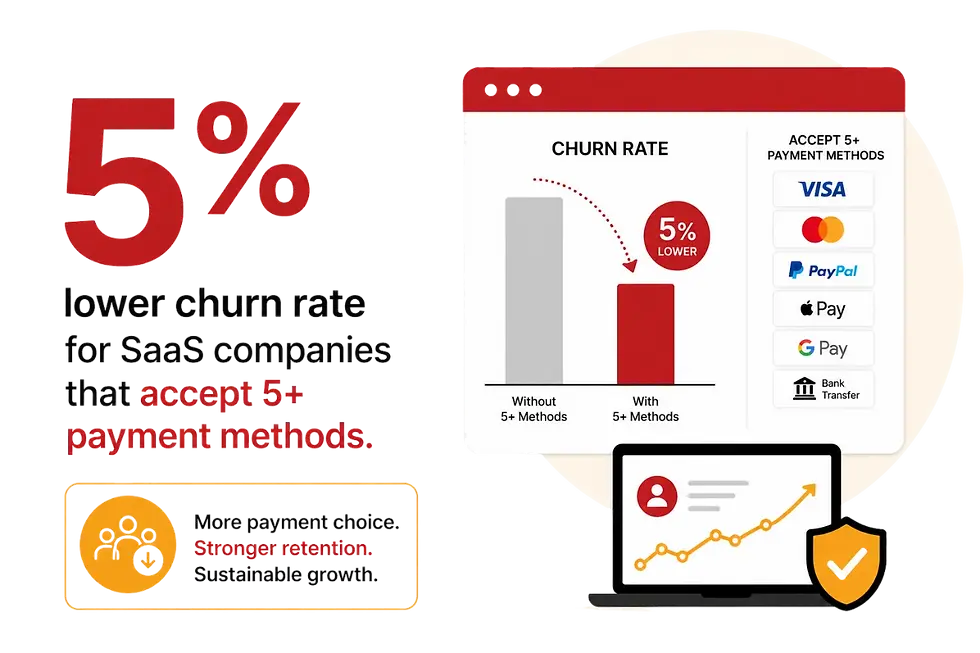
Dropbox encountered this problem in India. A central bank regulation change invalidated recurring payment authorizations overnight, triggering a wave of involuntary churn that appeared inexplicable from the outside. Customers had not decided to leave. The post-purchase infrastructure simply was not built for the market. Adding UPI as the default payment method resolved it, but the lesson extends well beyond payments: when your operational systems are designed for one market, customers in others will feel it.
Language Surfaces the Gaps
Each of these failure points shares something in common: they are invisible until you try to localise. The checkout question, the returns question, the post-purchase question, none of them get asked until someone asks what this journey actually looks like for a customer in this market.
That is what localisation, approached as a strategic discipline rather than a production task, forces you to confront. It surfaces the operational gaps your growth model has been quietly carrying. eCommerce does not stall at the homepage. It stalls at the moments that matter most to buyers.
Ready to identify where your international eCommerce experience is losing trust? Start with an International Digital Audit.
Not sure whether your store is ready to scale internationally? Download the International Expansion Readiness Checklist.
👉 Download


Comments